
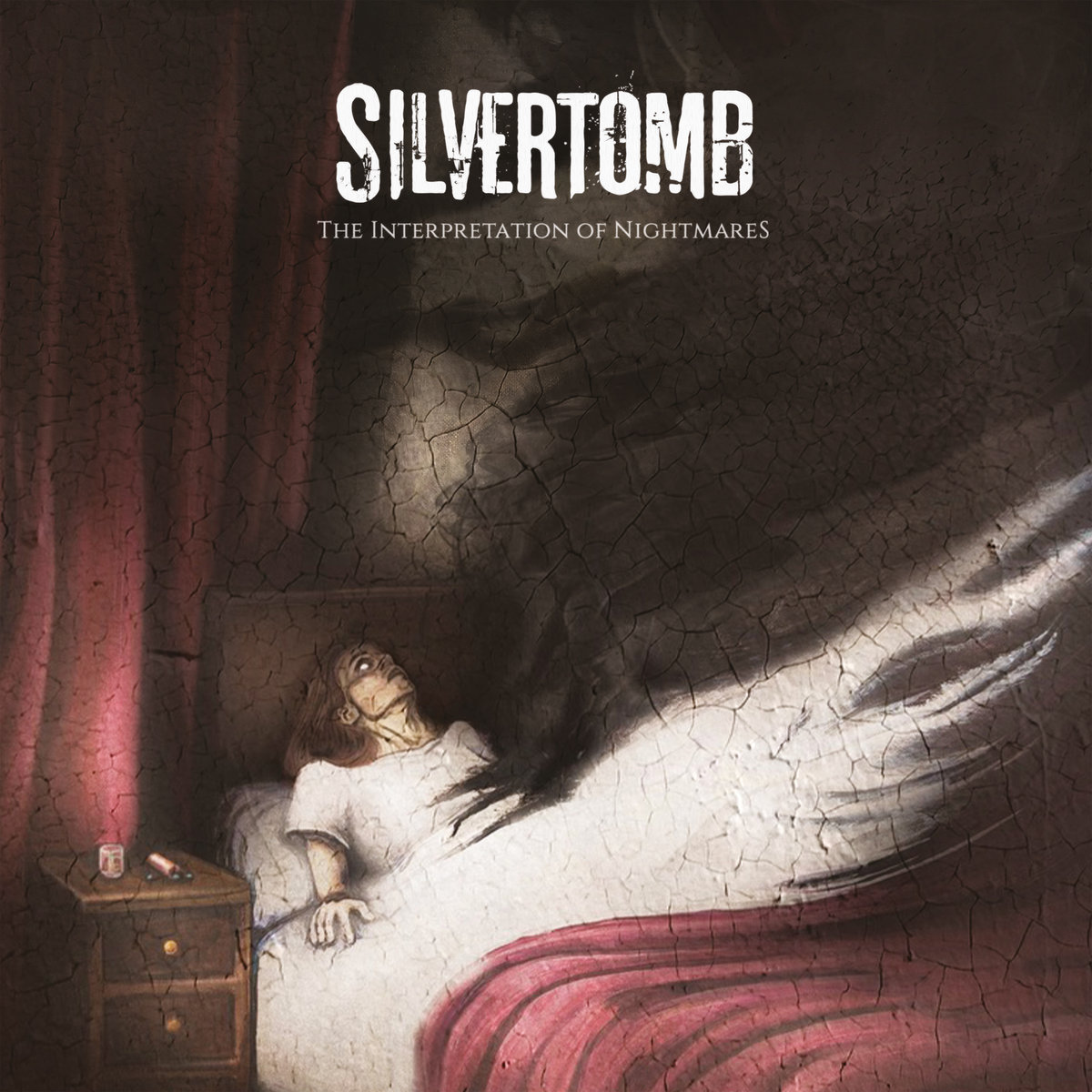
Silvertomb may have formed officially in 2017, but its roots go back much further than that if you factor in Seventh Void. Seventh Void originally began as a collaboration between Kenny Hickey and Johnny Kelly when there was downtime between Type O Negative writing and touring, and they brought along guitarist Matt Brown and bassist Hank Hell (Sheer Terror) for the ride. In 2009 the group’s debut Heaven is Gone was released and showcased a hybrid of doom and stoner rock with elements also infused from other areas from hard rock, and it was clear that despite Hickey’s recognizable guitar playing the group had a sound of their own. The following year Peter Steele would pass away unexpectedly, bringing Type O Negative to a halt, and in the years that followed it seemed like Seventh Void would become one of Hickey and Kelly’s main endeavors. But over time things evolved, as Brown left in 2011 and by 2017 the trio had added two new members (guitarist/keyboardist Aaron Joos and ex-Agnostic Front guitarist Joseph James) and opted to start Silvertomb. 2019’s Edge of Existence served not only as a new beginning, but as a way for Hickey to sort through the sheer number of things he had been through in the past decade. It tapped into a slightly different sound than Seventh Void and showcased plenty of potential to be expanded upon. Following another lengthy absence due to the COVID pandemic and Hickey’s battle with alcoholism, Silvertomb has finally returned with their sophomore effort The Interpretation of Nightmares. It’s a bit more streamlined and subdued than its predecessor but still has plenty of depth for listeners to discover.
Although The Interpretation of Nightmares leans more into psychedelic and 70s hard rock after a few tracks, opener “Brain Matter No God” is a good reminder that Silvertomb’s doom roots and prominent Black Sabbath influence haven’t fully gone away in the years that have passed since their debut. But what you will notice is the melodies and somber atmosphere is even more prevalent this time around, as the low-rumbling grooves of the guitar and bass draw you in for the first minute or so and then the sweeping keyboards come in to really fill out the sound. The guitar freakout towards the end also has a bit of a hazier psychedelic flair to it, and this track has a lot to offer in a short period of time. But by the time you reach “Graves in the Sky” it becomes clear that you’re in for a slightly mellower version of Silvertomb, as the first half is driven by moodier keyboards and acoustic guitar but by the halfway point things soar into the clouds with melodies that have more of a 70s psychedelic/progressive rock influence. This section almost reminds me of some of the melodies Hickey wove in to later Type O Negative, as there’s a similar expansiveness and warmness to the tone. This approach continues for two more tracks until “Distorted” when the heavier doom returns and the sound takes on a more harrowing and appropriately nightmarish atmosphere while keeping everything low and slow. “No Way to Live” is the fastest track on the album, and this is where the band brings back a bit of that earlier stoner rock crunch and modern hard rock edge, but they finish off with another slow and reflective piece with “When Will You Learn”. It often feels like Silvertomb is tapping into the 60s and 70s acts that inspired classic doom just as much as the doom itself, and the more reflective and softer tone does a good job of lulling you into a calmer state before the heavier grooves jolt you back to attention. Admittedly “Ascension” and “You Know” both feel too much like filler and given the already short eight track run that did leave me wanting one or two additional tracks to flesh things out just a bit more.
One thing that Seventh Void and Silvertomb both established was how different Hickey was as a lead singer compared to backing up Peter Steel in Type O Negative. I feel like in the decade gap between Heaven is Gone and Edge of Existence he really came into his own on the vocal front, and he really poured out as much raw emotion as possible on the latter. At that time his singing had a bit more of that stoner rock grit to it alongside some higher doom pitches, and while The Interpretation of Nightmares chronicles substance abuse and other personal tribulations it also hits differently. Opener “Brain Matter No God” showcases some of the highest ranges Hickey can hit, with the chorus shifting towards an airier pitch that gives off a bit more rock feel than it does doom. When the instrumentals head towards psychedelic and progressive tinges the singing mellows out as well, going for a more introspective slant while still having a sense of darkness. That’s not to say that the grittiness has been totally removed, as “Prayer for the Paranoid” and “No Way to Live” bring back a significant amount of bite, but it’s interesting to hear Hickey head in this direction and explore a more nuanced and slightly cleaner approach.
When compared to their debut, Silvertomb’s sophomore effort feels a bit more rock than doom and explores softer, hazier textures a bit more often that really expand on the 60s and 70s rock influences. It’s a sound that suits the band well and when they push things out towards somber atmosphere and soaring guitar and keyboard melodies the material really hooks you, but it also feels like they’re cutting themselves a bit short. “Ascension” feels like an unnecessary transition track and “You Know” also comes through as a bit filler like, which does dull the impact of the first half a bit and leave me wanting a bit more. But I still really like what Silvertomb is doing this time around, and with things looking brighter after a long period of hardship I hope it will only be a few years before we get even more music. The Interpretation of Nightmares is available from Steamhammer.
-Review by Chris Dahlberg